The Design Technology Blog

Category: Uncategorized

  • Smart Skis

    smart skis are skis that utilize piezoelectric materials to reduce rough vibrations in the skis. Piezoelectric materials are materials that react to bending or change in structure by emitting a electrical charge. When vibration occurs in the ski the piezoelectric material creates a small electrical current that is sent do a logic circuit that  induces the movement of the material in the opposing direction in relation to the vibrations effectively and quickly cancelling them out.


    This technology cannot help the world in skis alone but with this idea of vibration reduction  vehicles and other products that normally undergo a lot of stress can have that stress reduced possibly allowing for use of slightly weaker but more eco friendly materials.

  • Light Bending Materials

    A soldier sneaks up to an enemy camp, completely unseen. It isn’t the dark, or his oppositions’ bad eye-sight that conceals him, it his is innovative camouflage.

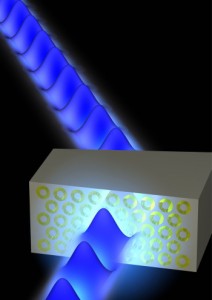
    It has been a dream of sci-fi writers and military leaders alike to be able to have invisible soldiers  to gain that advantage ontheir foes.  Now scientists at the California Institute of Technology have developed a smart material that does just that. The way it works is that as light hits this new material,negative index
    metamaterial (NIM) ,it doesn’t just bounce back as it usually does in materials. Instead light passes through this in adjustable way. While this is not a new idea or a completely new technology, the way they get the light to bend is a little more innovative and effective; as it works specially well in the sun. The new thing that makes this material so much more interesting is the fact that it is tunable in the sense that you can change how drastic the change is.  It also has light harvesting capabilities since it absorbs light at a large variety of angles and it is easy to move around and to make


    Negative Index Metamaterials could have multiple applications however; not just ones for the military. For example, it could be used as an effective cover for cars of things in a yard to avoid ugly covers while making it blend in a little more naturally into your environment. Since what it shows is constantly changing, they could be  used as a dynamic fabric for clothing.  Since it absorbs a lot of solar energy, scientist are also talking about it’s uses in clothing or other places for collecting sunlight as a form of energy.

  • Heat Sensitive Colors in Ceramics

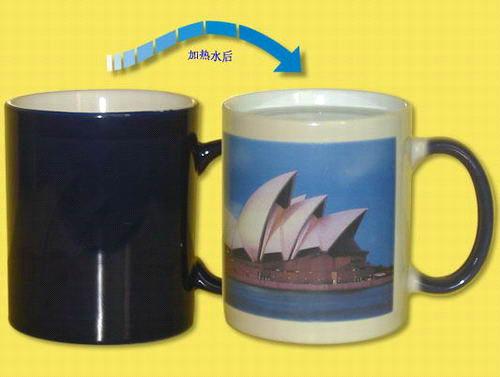
    Thermochromism in ceramics or ceramics that change color with change in temperature can be used in many places. A casual use of this technology is in mug’s made of ceramic. When hot tea or cofee etc. is poured into it the image appears on the surface of the mug. The heat of the liquid causes the thermocromism of the ceramic to take affect.

    As you can see here the handle of the mug hasn’t changed color. This is most likely because it is further away from the hot liquid content of the mug and therefore not affected by it’s heat.

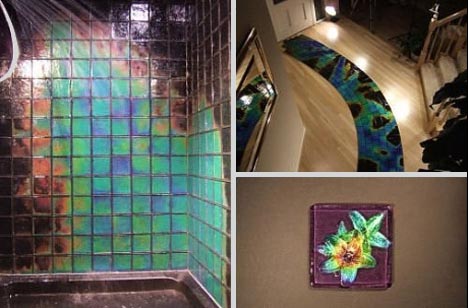
    Another nice application for thermochromic ceramics can be tiles. Tiles can be used for flooring or walls in bathrooms or kitchens. This can be very useful in some cases because you can tell where someone has been if they touch thermocromic tiles along their pathway. This can be applied in high-security buildings. Below are some images of more casual uses; shower tiling, flooring etc.

    image 1 from: http://www.ecvv.com/product/3052896.html

    image 2 from: http://dornob.com/hot-or-cool-color-changing-chameleon-tiles/

    other sources: http://en.wikipedia.org/wiki/Thermochromism

  • Smart Glass

    One of the most fascinating products that has been invented in my opinion is called “Smart Glass”. Smart Glass was created by a New York based research company called Research Frontiers. This invention may appear just like any normal glass, but in reality it isn’t. Smart Glass can regulate the level of incoming light and can control temperature levels for a range of environments.

    Smart-Glass-for-Meeting-Room.jpg

    How does it work?

    Well, in Smart Glass there are microscopic particles that absorb the light to prevent it from passing through the film. When electrical current is added to the film, that allows sunlight to enter the room the glass is protecting. (The higher the current–> the more arranged the particles are–> the more light is allowed through the glass.) When the current is switched off however, the particles begin to scatter and separate which inhibits any light to penetrate. Users or owners can control the transparency of the window.

    A comment by the CEO of Research Frontiers:

    Joseph Harary, CEO of Research Frontiers, sees great potential for SPD-SmartGlass in several areas. “With regard to aesthetics, there are expanded opportunities for building designs that are elegant, sleek, and modern. In addition, having the ability to utilize, when desired, very dark window tinting can reduce air conditioning costs for tenants and building operators.”

    (http://thefutureofthings.com/news/7144/smart-glass-controls-lighting-and-temperature.html)

    How do you control it?

    There are controllers that owners and users can use to adjust the glass to whichever preference they have. There are options of both manual switches and automated methods.

    What are the advantages of owning Smart Glass?

    By owning Smart Glass, you are saving yourself the cost of various products that many people own today including heating or air-conditioning and lighting. An individual could also avoid the cost of installing and maintaining motorized light screens, blinds, and/or curtains.

    Which Smart Glass technologies are included? 

    There are mainly 4: electrochromic devices, suspended particle devices, micro-blinds and finally liquid crystal devices.

    Commercial for Smart Glass:

    Links: 

    http://en.wikipedia.org/wiki/Smart_glass

    http://thefutureofthings.com/news/7144/smart-glass-controls-lighting-and-temperature.html

    http://image.made-in-china.com/2f0j00RBcaUJQtqskf/Smart-Glass-for-Meeting-Room.jpg

  • Food Product Development Stages

    Food development

    Development starts with a brief and market research. The design specification is tested and a manufacturing specification is written for production. There also need to be quality-control checks, part of a process called quality assurance.

    Foods are developed in a number of stages. They need to be tested and evaluated throughout these stages to ensure they are meeting requirements.

    Brief

    The first stage of food development is the brief, which is the problem that needs to be solved. For example, developing a lasagne for health conscious consumers.

    Market research

    Market research means finding out information about what people want from a product. It includes studying market trends and shopping habits. This can be done by conducting surveys, questionnaires, and telephone interviews. For example, would people buy a low fat lasagne?

    Design specification

    The design specification is the first attempt at listing the needs of the product. It includes:

    • size
    • shape
    • shelf life
    • weight
    • sensory characteristics (taste, texture, appearance, etc)
    • costs
    • ingredients (with quantities)
    • equipment

    Shortlisting and testing

    Initial ideas are generated following the design specification. These are then shortlisted based on concept screening, where five or six ideas are chosen, based on which ideas best meet the design specification.

    Sensory testing

    It is essential to test sensory qualities. The results are analysed so that the product can be improved or changed. This is called sensory analysis.

    Ranking tests

    Similar products are tested for a specific characteristic, for example saltiness. Samples are given randomly coded names, and testers sort the products from most to least salty.

    Rating tests

    Products are tested for a specific characteristic to find out if there is a noticeable difference between two products. For example, manufacturers can test a new low fat version of a product to see if it is similar to the original

    Manufacturing specification

    The manufacturing specification lists information a manufacturer needs to produce the product. The specification records the stages of the production process, with details of all the characteristics (shape, size, texture, colour, flavour etc) required in the final product.

    It also lists where standard components can be used. A standard component is a pre-prepared ingredient used in the production of a food product, like pizza bases or ready-made sauces.

    Quality control

    Quality assurance (QA) guarantees that food meets a clear, consistent set of standards. At key stages in production there should be quality control checksso manufacturers are alerted to any problems. The results of these checks are recorded. Checks can be done by hand or by computer.

    Quality control checks will normally include:

    • weight checks to make sure the product is the required weight
    • visual checks to make sure it looks the way it should
    • temperature checks to make sure it is being kept at an appropriate temperature
    • pH checks to make sure the food has the correct acidity/alkalinity
    • microbiological checks to make sure bacteria are not at harmful levels
    • chemical checks to guard against chemical contamination
    • metal checks to guard against contamination by metals (usually at the packing stage, using a metal detector)
    • organoleptic checks to check flavour, texture and aroma by sampling the food product

    Why is ‘Food Product Development’ important to us?

    Product Development can be crucial for boosting food industries in the country like India, for example, the world’s second largest producer of fruits and vegetables. Food safety and consumer protection measures either in shape of mandatory food laws or Total Quality Management require much investment in R & D, thus barring small scale industries and entrepreneurs to enter into the trials of new recipes. But there are simple and scientific methods, for example sensory evaluation techniques, which when applied to new concept of recipes or to less popular regional fruits and vegetables products can prove to be revolutionary.

    Key to Innovation Success

    Tomorrow’s winning companies will be those that understand and accept these challenges, and find ways to address them through processes and solutions focused on new product innovation. New product success requires excellence in three areas:

    (1) reducing product development cycle time

    (2) increasing product development innovation,

    (3) reusing company knowledge assets.

    In the twenty-first century, the ability to innovate better and faster than the competition trumps all other areas of competitive advantage.

    Sources:

    http://www.dmflavors.com/product_innovation_group.htm

    http://www.bbc.co.uk/schools/gcsebitesize/design/foodtech/productdevelopmentrev1.shtml

    http://www.techno-preneur.net/information-desk/sciencetech-magazine/2009/june09/Product-Development.pdf

    http://www.product-lifecycle-management.info/white-papers/kalypso/PLM-White-Paper-Kalypso-8-CPG-21st-Century-Product-Development-Processes-PLM-Emerges-as-Key-Innovation-Driver.pdf

  • The Future of Food

    As a result of the Industrial Revolution, urbanization became a trend and people relied on others growing their food. It was then directly purchased from the farmers or indirectly purchased through manufacturers. Since then food has continued to develop and food production has advanced due to factories and machines speeding up the processing of raw materials. More people moved to the city where farming was scarce and therefore had to rely on farmers for their food. Since then food has been genetically modified in order to preserve it and guarantee the quality of the product. It has gotten to the point where we no longer truly know what we are eating and where the food came from. So what does the future of food look like? In 2004. A film entitled ‘The Future of Food’ was released to highlight the gravity of the situation at hand and investigate the food that ends up in our shops. The film has been used as a key tool in the American and international anti-GMO movement. Genetically modifying the food we eat has always been controversial and remains so today, as many of the large agricultural corporations use the technology of it to lead us to believe they are the answer to the world food crisis. The film exposes the cost of a globalised food industry on human lives around the world, and highlights how international companies are gradually driving farmers off the land and into poverty and famine in many countries. It discusses the rising issue of a global dependence on a limited number of global food corporations which is would be an ecological disaster. This would happen as a result of the loss of biological diversity due to corporate monoculture farming. As the world’s population continues to grow we begin to realise just how finite the resources we have are. At this rate we will not be able to sustain the upcoming rise in population. After World War II, the ‘Green Revolution’ averted worldwide famine. Half a century on, the world needs to be thinking deeper about the situation but we are not. Instead we rely on science to sustain the increase in population, which is impossible without compromising the integrity of the landscape we live in. Agriculture in the future must be environmentally sensitive and above all, sustainable.

    The Future of Food trailer: http://www.youtube.com/watch?v=n9Y_QH_c70s&feature=player_embedded

    http://www.nature.com/nature/food/

  • Conventional vs. Organic Farming and Products

    The common definition of organic is known to be anything that develops naturally. However in the business world there are rules when naming a product organic. So what is the difference between organic and conventional farming you ask? Well I shall tell you!

    Conventional farming can involve chemical fertilizers, pesticides, herbicides and antibiotics for animals when producing products. Organic farmers prefer to use natural fertilizers (manure or compost), natural pesticides (certain plants produce chemicals which offer the same as chemical pesticides). For herbicides to manage weeds crops are rotated and animals are given organic feed and are allowed access to the outdoors (rotational grazing, a balanced diet and clean housing minimize disease).

    So what are requirements for organic produce?

    1. Ensuring that the soil can be used for many succeeding generations without using the fertilizers that were used in non-organic farming.

    2. Properly caring for the crops by using soil organisms and not by using pesticides.

    3. Recycling livestock manure and organic materials, including crop residue.
    4. Control weeds growth and insect infestation with crop rotation. Also, not using anything that science has used in conventional non-organic farming.
    5. Not tampering with genes of animals, no genetic engineering. Allow animal life to remain as it should.
    6. Lastly, determining the effects of this method on the environment.
    (http://www.organicfoodcorner.com/resources/organic-food-vs.-non-organic-which-is-better.php)

    If these requirements are not met then the product cannot be called “organic”.

    Eating conventional products vs. organic products can have a great influence on your health. Conventional products can contain chemicals which affect the human body; an example is cows that receive antibiotics, they produce milk which is then affected by the antibiotics. When a customer consumes the milk complications can arise, however their beef is fine (http://animalrangeextension.montana.edu/Articles/Beef/Wklynwsltr/12-19.01.htm)

    So the final question which is truly better?

    “Shoppers may choose organic foods for a variety of reasons. There are certainly environmental reasons to go organic. According to USDA guidelines, organic farming practices are designed to reduce pollution and conserve water and soil. They do not release synthetic pesticides, which can harm wildlife, and they also seek to preserve biodiversity and local ecosystems.

    Many people choose organic foods to avoid any risks associated with the pesticides, herbicides, and other chemicals used in conventional farming. Parents may be concerned that exposure to these chemicals might harm the development of their children, and therefore they choose organic. Studies appear to support the fact that organic diets lower children’s exposure to pesticides.

    As for organic food being healthy, some studies, including one at UC Davis, have demonstrated higher amounts of nutrients in some varieties of organic foods. Another studyfrom Newcastle University in England showed organic milk contained 67 percent more vitamins and antioxidants, as well as more Omega-3s and Omega-6s (“healthy” fat) than conventional milk.”

    (http://www.americanprogress.org/issues/2008/09/organic_green.html)

    Bibliography:

    Thanks Dykie for partially stealing my thunder. <3

  • Organic or Genetically Modified?

    Genetically modified food are foods that are derived from genetically modified organisms; products that contain specific changes to their original DNA. Organic products do not contain any genetic modifications. They are foods that are produced naturally without modern enhanced plantation methods such as the wide spread use of pesticides and chemical fertilizers. A lot of controversy exists over the use of genetically modified products and over the years many people have returned to the fruits and vegetables that are produced using organic means. But what truly are the dangers associated with modifying food? Perhaps it has more benefits than weaknesses?

    The Old and the Healthy

    Organic food has always been thought to be the healthier alternative. Various pesticides have been identified by the EPA as cancer causing and dangerous for humans.  Organic products restrain from using such chemicals and as a result provide for a healthier lifestyle. Vegetables and fruits that are grown organically are able to sustain many of their natural nutritious values from minerals, vitamins and anti-oxidants. In the end, the toxic chemicals are not put out into our natural environment. Organic farming allows people to sustain harmony with the world we live in. Keeping our environment as it is is essential for its survival. But contrasting such benefits of an organic production are several negative sides to the whole “story”. Organic products are generally inefficiently produced and at a much slower rate than genetically modified ones.  Such inefficiency leads to increased costs of the organic crops and makes them more unattractive to the local customers. Such foods also have a shorter self-life. Genetically modified crops can last much longer after the harvest than organic foods.

    Leaps in Technology seem attractive

    Genetically modified foods however also pose as an attractive alternative. Farmers are able to grow crops that are resistant to pretty much everything. The local pests and rodents no longer pose any harm. Weeds need not be picked as they are tolerated by the crop. Different forms of bacteria or fungus can do nothing. Extreme environmental changes can be accepted by the crop without majorly affecting its quality. Whether it’s a drought or cold winter, the plant can continue growing. It is important however to keep in mind that genetically modified products do have a negative impact on the environment. Altering the natural existence of organisms (changing the DNA composition) can never have a positive result on the  surrounding ecosystem. The chemicals and pesticides kill and pollute the local plants and may also negatively affect the human digestive system.  It inevitably causes us to question what we are truly eating. Genetic engineering can truly alter a particular crop into something different.

    So…

    Whether organic or genetically modified, both routs have their benefits and disadvantages. However I believe that the question we need to ask ourselves is what we are trying to achieve. I reason that we are trying to receive a product that is of the best quality possible. The cost in most cases is irrelevant. We are entering a new era that promotes a sustainable lifestyle. Organic products are therefore a much better solution for all. They are a healthier choice for the us and our planet.

    Sources of Information

    http://en.wikipedia.org/wiki/Genetically_modified_food

    http://www.thcarson.co.uk/whyorganic.htm

    http://www.csa.com/discoveryguides/gmfood/overview.php

    http://carthageagriculture.pbworks.com/w/page/15315791/Organic%20Farming%20Days%2024

    http://foodandorganic.com/disadvantages-of-organic-food.html

    http://wanttoknowit.com/disadvantages-of-genetically-modified-food/

  • The Effects of Pesticide on Humans


    What we don’t know about Pesticides


    What is a pesticide? 

    Pesticides are substances or mixture of substances intended for preventing, destroying, repelling or mitigating any pest. (epa.gov) 

    A pesticide may be a chemical substance, biological agent (such as a virus or bacterium), antimicrobial, disinfectant or device used against any pest. Although it is well noted that pesticides certainly have their benifits, they do come with strong drawbacks and problems, such as toxicity and chemical harm that can be examined in humans and animals. 

    Why are they dangerous? 

    These are Pesticide Farmworkers

    There are two types of dangers to be considered when discussing the risks of pesticides on humans, first one is direct exposure to pesticides, and the second one would be indirect exposure. In either case it is notable that pesticides are a major contributor to anything in the range of simple irritation of the skin and eyes to more severe effects such as affecting the nervous system, mimicking hormones causing reproductive problems, and also causing cancer. (http://www.epa.gov/opp00001/health/human.htm). Further research determined a correlation between Hodgkin lymphoma and leukemia, 2 major worldwide diseases, with excessive exposure to pesticides. 

    What is the difference between direct and indirect exposure? 

    Direct exposure when it comes to pesticides is simple, it occurs to the people who work on the farms and are applying the pesticides to the plantations. They’re effects are typically more severe and quicker in developing, and it is noted by the World Health Organization and the UN that 18,000 people die each year of pesticide posioning in developing countries (does not include highly poverty stricken regions or developed countries) , with a further 3 million agrarian workers suffering from mild poisoning. Indirect exposure can happen in two different ways. The first one occurs when the food is contaminated by poor pesticides and results in the food being altered in either taste or biological make up. The harm obviously comes from the biological make up as such alterations in the food can result in neurological, skeletal or other organ problems in humans.  On the defence of pesticides, most pesticides are designed in a way to not in anyway effect the taste or other properties of the plant. (Benefits of Pesticides: A story worth telling, Purdue.edu). The other way that pesticides impact humans indirectly is through the environment. The problem with pesticides is they can sometimes be caught in the wind contaminating the air and also transported to nearby water sources. The contamination of the water and air can lead to distrarous effects on human health, especially in undeveloped regions whose water is already contaminated. People who live nearby farms are likely to suffer air contamination because the wind transports it in the air and is then breathed by the people.  Another problem is contamination of the soil, which overtime damage or destroy the farming potential of the plot. In total the US spent 9.6 Billion dollars on human health and environmental cost from pesticides. (Pimentel, David. “Environmental and Economic Costs of the Application of Pesticides Primarily in the United States.”) 

    What are alternatives? 

    Alternatives to pesticides are available and include methods of cultivation, use of biological pest controls (such as pheromones and microbial pesticides), genetic engineering, and methods of interfering with insect breeding. Application of composted yard waste has also been used as a way of controlling pests. These methods are becoming increasingly popular and often are safer than traditional chemical pesticides. In addition, EPA is registering reduced-risk conventional pesticides in increasing numbers. Another important aspect of the alternatives is that studies have shown that they are equally, if not better, than traditional pesticides. 

    Personal Recommendation 

    I say that it is probably best to use the alternatives as the start up costs may be greater but in the end will save money greatly on health costs and also cause a better image for the farm or company. 


  • Quality vs Quantity

    In designing a product for large scale manufacturing, a designer must make certain choices that affect the rate of production. Different production techniques take varying amounts of time to complete, however, at the same time the results produced may also vary. The decisions made have to reflect constraints affecting the situation including the amount of available materials, time of demand, production time, and quality of the end product. In a famous example from World War Two, the German army produced high quality tanks that could go longer and were armored better than any other tank on the battle field. However, these high quality tanks were produced slowly relative to Russian tank production. Factories in Russia produced lower quality tanks that were known to regularly breakdown or hurt occupants in large numbers. Although German tanks were superior, they were greatly outnumbered by Russian tanks and resulted in a German defeat on the eastern frontier.

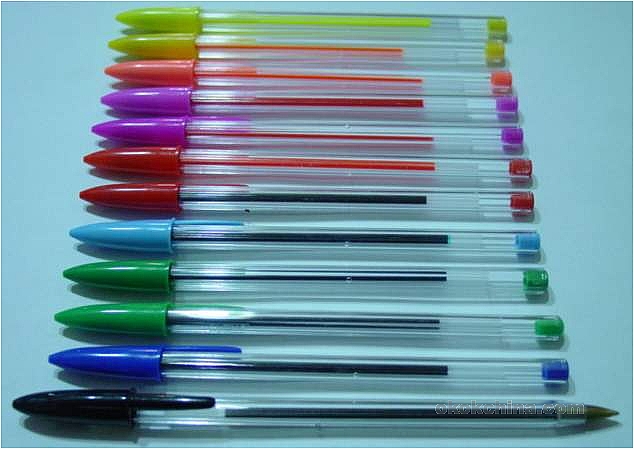
    Similarly, the market for pens can be examined in disposable pens versus refillable ink pens. Demand on the market exists for pens that are to be used in everyday settings. A large number of people require some sort of reliable writing implement to be used for some reason or another, thus creating a demand for writing implements. A pen designer then has to make a choice; make lower quality pens on a large scale quickly to supply the demand or make higher quality pens slowly. The situation that reflects the target market must be taken into account when making a design and making possible alteration for manufacturing. The higher quality pens may yield a greater profit per pen but the lower stock results in fewer pens to sell, while a vast amount of lower quality pens can be sold for a greater net profit.

    Yet, not all situations favor vast numbers of low quality products. Such an example is with super computers. Some programs, software, or calculations require processing power greater than the regular desktop can provide. In this case a high quality, but few in number, super computer is required to run the calculation.

  • High Quality German Tank (Tiger II)
  • T-34 (Russian Low Quality Tank)
    Cheap, Disposable Pens (Large Stock)

    Sources:

    <http://www.britannica.com/EBchecked/topic/1057539/panzer>

    http://www.okokchina.com/Files/upp

    ic19/Disposable%20Ball%20Pen%20A110001B%20%2812%20colors_%20fluorescent%29295.jpg

    http://www.fas.org/man/dod-101/sys/land/row/t-34-DNST8601537_JPG.jpg

    http://www.ruthtrumpold.id.au/designtech/pmwiki.php

    http://answers.yahoo.com/question/index?qid=20110426155002AA8m3gj