Plastic shopping bags, carrier bags or plastic grocery bags are a type of shopping bag made from various kinds of plastic. In use by consumers worldwide since the 1960s, these bags are sometimes called single-use bags, referring to carrying items from a store to a home.. In recent decades, numerous countries have legislation restricting the sale of plastic bags, in a bid to reduce littering and pollution. Traditional plastic bags are usually made from polyethylene, which consists of long chains of ethylene monomers. Ethylene is derived from natural gas and petroleum. The polyethylene used in most plastic shopping bags is either low-density (resin identification code 4) or, more often, high-density. Color concentrates and other additives are often used to add tint to the plastic. Many ethical concerns arise concerning the plastic bag invention however. Firstly, it is not a biodegradable material meaning it could stay for millions of years in an ecosystem without decomposing. Nature cannot decompose it’s structure. This would become an obstacle in the sense that it could have long-lasting consequences. A way to reduce or eliminate the need for plastic bags is to bring your own cloth bags to the supermarket instead of using their plastic bags. Thus they would be losing money and their plastic bags would not make them any money.
en.wikipedia.org/wiki/Plastic_bag
 or sensory feedback.
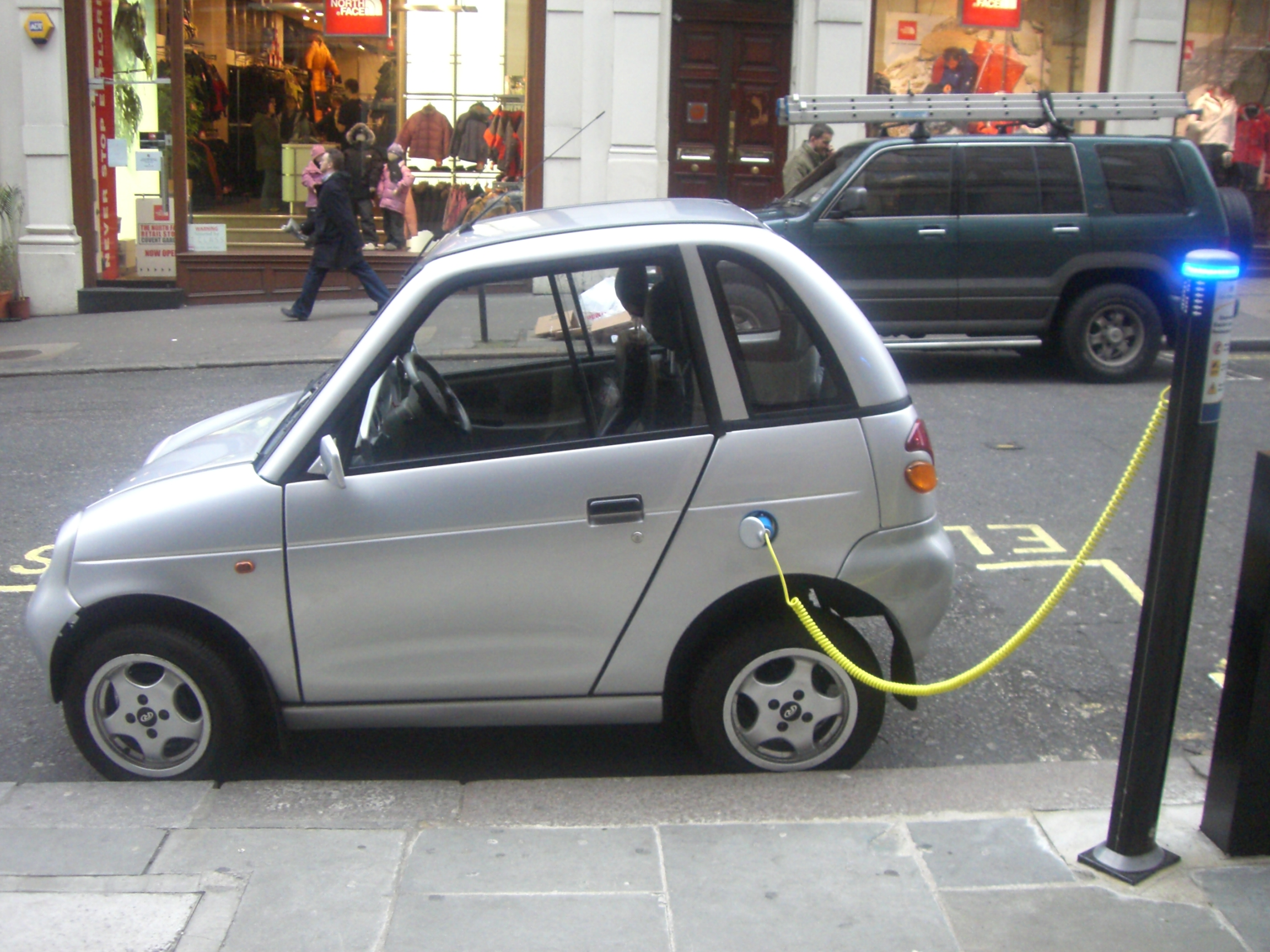



 However as cars became overpopulated, they have been influencing our environment negatively.
 -Jane Jacobs. The Nature of Economics. Random House. 2000