Genetically modified food are foods that are derived from genetically modified organisms; products that contain specific changes to their original DNA. Organic products do not contain any genetic modifications. They are foods that are produced naturally without modern enhanced plantation methods such as the wide spread use of pesticides and chemical fertilizers. A lot of controversy exists over the use of genetically modified products and over the years many people have returned to the fruits and vegetables that are produced using organic means. But what truly are the dangers associated with modifying food? Perhaps it has more benefits than weaknesses?
The Old and the Healthy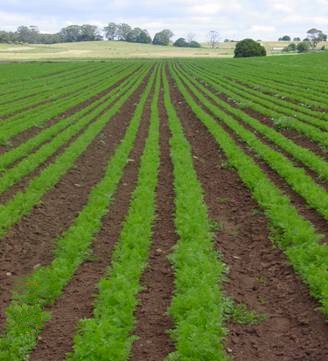
Organic food has always been thought to be the healthier alternative. Various pesticides have been identified by the EPA as cancer causing and dangerous for humans. Organic products restrain from using such chemicals and as a result provide for a healthier lifestyle. Vegetables and fruits that are grown organically are able to sustain many of their natural nutritious values from minerals, vitamins and anti-oxidants. In the end, the toxic chemicals are not put out into our natural environment. Organic farming allows people to sustain harmony with the world we live in. Keeping our environment as it is is essential for its survival. But contrasting such benefits of an organic production are several negative sides to the whole “story”. Organic products are generally inefficiently produced and at a much slower rate than genetically modified ones. Such inefficiency leads to increased costs of the organic crops and makes them more unattractive to the local customers. Such foods also have a shorter self-life. Genetically modified crops can last much longer after the harvest than organic foods.
Leaps in Technology seem attractive
Genetically modified foods however also pose as an attractive alternative. Farmers are able to grow crops that are resistant to pretty much everything. The local pests and rodents no longer pose any harm. Weeds need not be picked as they are tolerated by the crop. Different forms of bacteria or fungus can do nothing. Extreme environmental changes can be accepted by the crop without majorly affecting its quality. Whether it’s a drought or cold winter, the plant can continue growing. It is important however to keep in mind that genetically modified products do have a negative impact on the environment. Altering the natural existence of organisms (changing the DNA composition) can never have a positive result on the surrounding ecosystem. The chemicals and pesticides kill and pollute the local plants and may also negatively affect the human digestive system. It inevitably causes us to question what we are truly eating. Genetic engineering can truly alter a particular crop into something different.
So…
Whether organic or genetically modified, both routs have their benefits and disadvantages. However I believe that the question we need to ask ourselves is what we are trying to achieve. I reason that we are trying to receive a product that is of the best quality possible. The cost in most cases is irrelevant. We are entering a new era that promotes a sustainable lifestyle. Organic products are therefore a much better solution for all. They are a healthier choice for the us and our planet.
Sources of Information
http://en.wikipedia.org/wiki/Genetically_modified_food
http://www.thcarson.co.uk/whyorganic.htm
http://www.csa.com/discoveryguides/gmfood/overview.php
http://carthageagriculture.pbworks.com/w/page/15315791/Organic%20Farming%20Days%2024
http://foodandorganic.com/disadvantages-of-organic-food.html
http://wanttoknowit.com/disadvantages-of-genetically-modified-food/


Leave a Reply
You must be logged in to post a comment.