The Design Technology Blog

Category: Green Design

  • Fiberglass

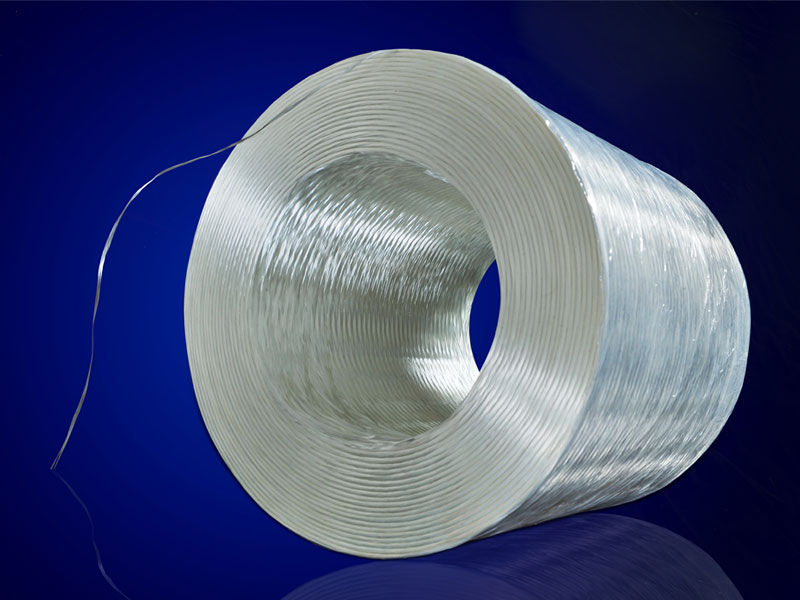
    Fiberglass is actually plastic wrapped in glass composed of plastic. It enters the environment through manufacturing, using, and disposing such materials. Damaged materials, such as fiberglass insulation, could possibly release fibers into the air and could eventually blend with other airborne particles as component of dust. This exposure can take place through ingestion, breathing or even skin contact. Moreover, such effects can ordinarily take place through home maintenance or moving materials which contain fiberglass. When fiberglass reaches the lungs, it could easily remain there and case numerous health problems, such as the elevation of asthma, damage of cellular mechanisms, and the promotion of cancer cell growth. However, despite the few negative effects, fiberglass does happen to be quite environmentally friendly: It features the lowest embodied energy in comparison to other window frame materials, provides the longest life expectancy,  and has self-extinguishing capabilities in case of fire. Additionally, fiberglass provides stable tolerances and high quality throughout the production phase.


    Sources:

    http://www.livestrong.com/article/124778-fiberglass-breathing-danger-effects/

    http://www.fiberglasswindows.com/benefits.htm

    http://www.google.com.eg/search?hl=en&site=imghp&tbm=isch&source=hp&biw=1440&bih=805&q=fiberglass&oq=fiberglass&gs_l=img.3..0l10.1039.3207.0.3765.10.8.0.2.2.2.638.1664.2j3j2j5-1.8.0…0.0…1ac.1.5.img.G5Ql-riWcsY#imgrc=RTu6RTxEd361RM%3A%3BBdTjX3qSO_qm4M%3Bhttp%253A%252F%252F3mcollision.com%252Fmedia%252Fcatalog%252Fproduct%252Fcache%252F1%252Fimage%252F9df78eab33525d08d6e5fb8d27136e95%252F0%252F5%252F05834_fiberglass_resins.jpg%3Bhttp%253A%252F%252Fdigital.thejoytime.com%252FImages.aspx%253Fq%253D3m%2526s%253D50%3B1500%3B1500

  • Paper Clip Smart Material

    Tha paperclip is a very helpful material. A paper clip is an instrument used to hold sheets of paper together, usually made of steel wire bent to a looped shape. Paper clips usually have an oblong shape with straight sides, but may also be triangular or circular, or have more elaborate shapes. It has the functions of a shape memory material, as when you deform the paperclip, then insert it into hot water, the paper clip will return to its original shape. Also it is helpful as it is used instead of a stapler. The stapler will ruin your paper after stapled when you try to unstaple it. However, the paper clip can hold papers together and you can take it off and on anytime without harming the paper. It doesnt contain waste material, and it is easily recyclable

    http://en.wikipedia.org/wiki/Paper_Clips_Project

    http://www.officemuseum.com/paper_clips.htm

  • Plastic Bags

    Plastic shopping bags, carrier bags or plastic grocery bags are a type of shopping bag made from various kinds of plastic. In use by consumers worldwide since the 1960s, these bags are sometimes called single-use bags, referring to carrying items from a store to a home.. In recent decades, numerous countries have legislation restricting the sale of plastic bags, in a bid to reduce littering and pollution. Traditional plastic bags are usually made from polyethylene, which consists of long chains of ethylene monomers. Ethylene is derived from natural gas and petroleum. The polyethylene used in most plastic shopping bags is either low-density (resin identification code 4) or, more often, high-density. Color concentrates and other additives are often used to add tint to the plastic. Many ethical concerns arise concerning the plastic bag invention however. Firstly, it is not a biodegradable material meaning it could stay for millions of years in an ecosystem without decomposing. Nature cannot decompose it’s structure. This would become an obstacle in the sense that it could have long-lasting consequences. A way to reduce or eliminate the need for plastic bags is to bring your own cloth bags to the supermarket instead of using their plastic bags. Thus they would be losing money and their plastic bags would not make them any money.

    en.wikipedia.org/wiki/Plastic_bag

  • Thermoelectric Boots

    “Everything we do generates power — about 1 watt per breath, 70 watts per step.”

    Smart Material: Thermoelectric material.

    European telecommunications provider, Orange, introduced a prototype in 2010 of a pair of rubber boots that convert heat from your feet into electrical power. This electricity can be used to charge battery-powered handhelds, such as mobile phones. In order to charge the handheld’s battery to an hour, you must walk for 12 hours. This may seem long – running would make the process faster, as the more heat produced, the more electricity produced.

    They are a great sustainable, eco-friendly alternative to the vast amount of electrical power that is used everyday to charge battery-powered devices. They are also practical, because the electricity is produced from regular everyday activity.

    How the boots convert the heat into electricity:

    http://www.gizmag.com/thermoelectric-orange-power-wellies-generate-electricity/15346/


    Sources:

    http://www.gizmag.com/thermoelectric-orange-power-wellies-generate-electricity/15346/

    http://www.time.com/time/specials/packages/article/0,28804,2029497_2030623_2029815,00.html

  • Environmentally Friendly Toilets

    A Swedish company is selling dry toilets to help countries where water or sewerage systems are a concern. These toilets work by keeping the urine and the solid waste separate and using the second to create manure for farms. So far, the company has sold about 2,000 dry toilets, but the demand is growing worldwide.

    These toilets work by keeping the urine and the solid waste separate and using the second to create manure for farms. So far, the company has sold about 2,000 dry toilets, but the demand is growing worldwide. Read more…

    Here are some short excerpts from the India News article.

    ‘Don’t mix, don’t flush, don’t waste’ is the slogan of a Swedish entrepreneur selling dry toilets – a revolutionary concept that not only saves water but also converts human waste into manure.

    Sven Ingvar-Nilsson, 77, has been successfully using the dry toilet design for the last 11 years at his massive farm on the outskirts of this small Swedish town. He says that the concept not only uses human waste but also saves a lot of water that is wasted every time you flush.

    The urine section is rinsed using approximately 0.1 litres of water each use. The urine is led to a tank where it is collected for further transport, preferable for spreading as fertilizer in garden or agriculture. Solids fall into a bin housed in an insulated container in which negative pressure is created by a fan and vent.

    The solid waste dries and thus bacteria and viruses are eliminated by a simple and reliable method. After a drying period of six months the solids can be composed, burned or dug down in the soil where it is quickly broken down. A standard bin (holding 80 litres) will need to be emptied every three months for normal family use.

  • Green Building

    Green Building

    Sustainable building design

    The process:

    Green building is an environmentally responsible process that efficiently uses resources and lean production in order to minimize carbon emissions and damage towards the environment. This is a socially responsible practice that takes the effects of building into consideration. The common objective is that green buildings are designed to reduce the overall impact of the built environment on human health and the natural environment by; efficiently using energy, water, and other resources, protecting occupant health and improving employee productivity and reducing waste, pollution and environmental degradation. Green building does not specifically address the issue of the retrofitting existing homes.

    Building’s life-cycle:

    The building life-cycle ranges from design, construction, operation, maintenance, renovation, to demolition. This practice expands and complements the classical building design concerns of economy, utility, durability, and comfort.

    Natural building:

    This is a similar concept which is usually on a smaller scale and tends to focus on the use of natural materials that are available locally. Green architecture and sustainable design are other related topics. Sustainability may be defined as meeting the needs of present generations without compromising the ability of future generations to meet their needs.

    Green Building at CAC:

    The new elementary building at the Cairo American College (CAC) in Egypt was designed while meeting the standards of triple bottom line sustainability, “An expanded spectrum of values and criteria for measuring organizational success: economic, environmental and social.” The school also uses appropriate technology and focuses on sustainable development. This is shown through sustainable building.

    Objectives for sustainable buildings:

    • resource efficiency
    • energy efficiency
    • pollution prevention (including indoor air quality and noise abatement)
    • harmonization with the environment (including environmental assessment)
    • Integrated and systemic approaches (including environmental management systems).

    Video on sustainable buildings:

    watch?v=nAMrtHC2Ev0&feature=player_embedded

    Sources:

    http://www.getloans.com/blog/wp-content/uploads/2010/05/sustainable-building-design.jpg

    http://www.youtube.com/watch?v=nAMrtHC2Ev0&feature=player_embedded

    http://www.ruthtrumpold.id.au/designtech/pmwiki.php

    http://en.wikipedia.org/wiki/Green_building

  • Concentrated Solar Power

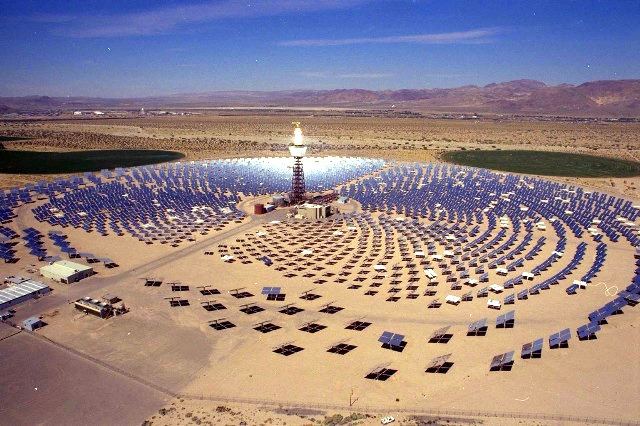
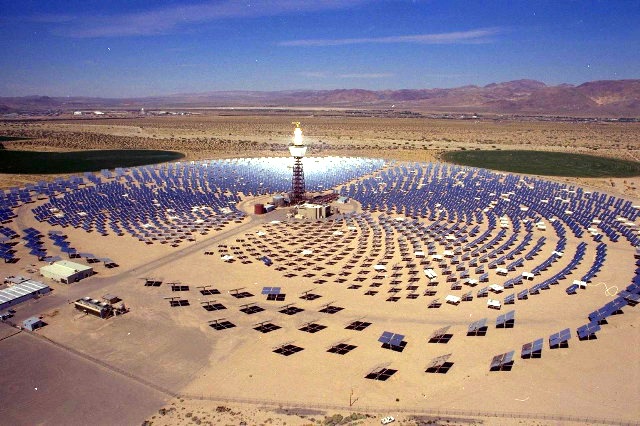
    Solar power has been around for a good amount of time now.  Solar panels are effective green sources of energy, but they don’t harness much power and they are very expensive.  The average house uses around 3.85 kw a day (http://www.solarpoweristhefuture.com/how-many-solar-panels-does-it-take-to-make-one-kilowatt.shtml) and you need around 5 panels to generate this power which cost around 280 dollars each according to (http://www.dmsolar.com/solar-module-1.html).  This may not seem too expensive, but if you consider powering thousands of houses through one solar plant then the space needed and the amount of panels needed increases.  With the increased panels comes an increased cost and it just isn’t practical considering the amount of power that comes from other sources of power.  However, concentrated sun power does require space, but cuts costs because it uses mirriors instead of a vast amount of panels to direct beams of sunlight to a central sun tower.  This slashes costs and utilizes the power of the sun more efficiently.

    CSP (Concentrated Solar Power) creates power from a steam turbine usually.  The directed sunlight is converted to heat energy which allows a heat engine to spin a steam turbine.  According to wikipedia (http://en.wikipedia.org/wiki/Concentrated_solar_power) a typical concentrated solar plant can produce power at about $2.50-$4.00 per watt.  Therefore a typical plant producing around 250 megawatts costs around $600 million to $1 billion dollars to manufacture.  This for of power is a competitor for the transition from fossil fuel for multiple reasons.  One is that the power from the sun is free and unlimited if the plant is placed in strategic areas.  Another comparison that wikipedia mentions is that CSP plants can produce “12 to 18 cents per kilowatt-hour” which can be compared to a nuclear plant in Arizona which produce “1.65 cents per kilowatt-hour.”  The nuclear plant still more efficiently produces power, but the solar plant can be judged as a competitor in the green power category.  With continued advancement in CSP it could be possible to make them even more efficient and less expensive, but they are still much more valuable than the typical solar plant that doesn’t concentrate the sun’s power.

    Concentrated Solar power can be the wave of the future in the power industry.  All that need to be done is that it must become cheaper and more cost effect.  CSP is starting to pave the way to this much needed improvement to allow for the complete harnessing of the suns power and true renewable energy.

    Sources:

    http://en.wikipedia.org/wiki/Concentrated_solar_power

    http://www.dmsolar.com/solar-module-1.html

    http://www.solarpoweristhefuture.com/how-many-solar-panels-does-it-take-to-make-one-kilowatt.shtml

    Image soure: http://blog.hasslberger.com/img/concentrated-solar-power.jpg

  • Factor 10 House, Chicago

    Factor 10 House Chicago

    The Factor 10 House, designed in 2003, gets its name from its philosophy. The designer, Marc L’Italien, claims that the structure consumes one-tenth of the environmental resources. In other words, it minimises the ecological footprint by a “factor of 10.”

    The designer had the following initial goals in mind:
    – The occupant’s health
    – Efficiency of the energy
    – Efficiency of the resources
    – Environmental responsibility
    – Affordability

    Primary four features include:

    – Size reduction
    – Improved efficiency
    – Extended life span
    – Impact reduction
    Using these four strategies, the F10 house is a long awaited solution to the issue of buildings. They consume 42% of all energy, 30% of all raw materials and create 40% of all air pollution. Factor 10 house not only reduces the environmental impact but also decrease living expenses.

    F10 House demonstrates to the general public that sustainable design doesn’t have to look any different than traditional housing. It also motivates surrounding neighbourhood citizens to make improvements to their own homes.
    (more…)

  • Vetrazzo Furniture & Recycled Glass

    Recycled Glass

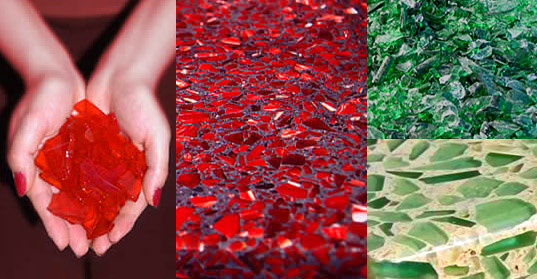
    Glass recycling is the process of transforming glass waste into reusable material and substances. Due to the fact that glass retains its original color even after being recycled, recyclers categorize the glass into groups according to color, resistance, strength, and hardness. Bottles, broken glass objects, light bulbs, etc. are all common waste products from households around the world. Glass products and materials are thrown in the trash every day and in many areas, never used again. Every metric ton of waste glass recycled into new items saves 315 additional kilograms of carbon dioxide from being released into the environment during the production of new glass.

    Process of Recycling Glass

    Glass is mostly composed of three main ingredients- silica sand, limestone, and soda ash. When glass is crushed during the recycling process, it returns back to its natural state. While being in this state, the glass is non-toxic and inert meaning it cannot contaminate the environment. Unlike other materials, glass is 100% recyclable making it one of the most recycled material around the world. The crushed recycled glassed, known as cullet, is then mixed with virgin raw materials (soda ash, limestone etc.)

    Recycled Glass applied into Modern Businesses

    As the green design initiative becomes more and more popular and encouraged, ec0-friendly regulations are implemented into the creation of products in present-day businesses and firms. Vetrazzo Furniture is known for its glass recycled surfaces. 85% of Vetrazzo’s products are manufactured out of recycled glass. Most of the glass comes from curbside recycling programs. Other glass comes from used windows, dinnerware, windshields, stained glass, laboratory glass, reclaimed glass from building demolition, and others. Vetrazzo was awarded a significant grant by California‘s Department of Conservation, Division of Recycling, to help expand the Vetrazzo product line as well as aid them in increasing product capacity.

    Sources Cited:

    http://www.glassworks.org/product_stewardship/how.html

    http://www.vetrazzo.com/index.asp

  • Plastics used to make cars

    Bend New Materials into Futuristic Shapes

    New materials for car bodies may soon transform the auto industry. Auto engineers can mold these carbon-fiber-reinforced plastics into virtually any shape. The materials are both strong and light which increasies fuel efficiency and safety at the same time. Cars built entirely out of plastic could be the wave of the future, making metal a thing of the past when it comes to cars.

    New, innovative cars made almost entirely of plastic are paving the way for what you may be driving in the future.

    A mechanical engineer at Porsche Engineering Services in Troy, Mich., says, “With plastics you can design cars which are very bold, and that gives you an advantage to sell nicer cars.”

    Plastics have gained a lot of ground over traditional metals used in cars, making it possible to build almost an entire vehicle completely of non-metal material.

    Mechanical engineers use a lightweight, high-strength aerospace material called carbon-fiber-reinforced plastic. It’s used in the doors, hoods, fenders, chasis and also in support frames for the engine and transmission. You can mold the plastics into very complicated shapes that maybe you can’t do in steel, plastics help cars lose weight to go farther on fuel.

    New materials, like plastic, are usually tested on high-end vehicles first. Once the materials are proven to be more efficient and cost effective, they eventually filter down to affordable consumer vehicles.

    BACKGROUND:

    Student designers at the College for Creative Studies are creating new plastic polymer materials as alternatives for automobile elements typically made of steel. The designs were part of a semester-long project and the automotive division of the Society of Plastics Engineers.

    ADVANTAGES:

    Among other advantages, plastics can significantly reduce the weight of a vehicle, improving fuel efficiency by reducing drag, and also cutting down on emissions. Because plastic can be more easily molded, components can be tailored for more comfortable human-ergonomic features, as well as more streamlined, aerodynamic shapes. Less material can be used than with steel components and the durability of plastics results in a longer, more reliable vehicle lifetime.

    SOURCES:

    http://en.wikipedia.org/wiki/Carbon_fiber-reinforced_polymer

    http://www.azom.com/Details.asp?ArticleID=1662

    http://www.icis.com/Articles/2008/09/08/9153976/plastics-use-in-cars-rises-as-emissions-laws-get-tough.html

    http://news.softpedia.com/news/New-Materials-Boost-Hydrogen-Cars-039-Efficiency-54358.shtml