The Design Technology Blog

Category: Technology

  • Alloys & Their Uses

    Bronze Mask Alloy Used For Jewelry (Image By Martin Lodemore)

    The components of various alloys contain metallic and non-metallic elements. There are a large number of possible combination of different metals and each has its own specific set of properties. The Uses for alloys are limitless depending on the materials involved and the complexity of the alloy. The alloys are used extensively in fields that involve but are not limited to; aircrafts, military, commercial, industrial, medical, residential and manufacturing applications. Alloys like Aluminium, Copper, Nickel, Stainless steel, Titanium all have different uses in various applications.

    Uses of Aluminium Alloys

    Aluminium when combined with other metals gives strength and specific characteristics for a particular use. Aluminium alloys are extensively used in the production of cars and engine parts. The vast range of quality Aluminium is used in various applications like transport, packaging, electrical application, medicine, and construction of homes and furniture. Flight at high altitudes would not be possible without the the strong aluminium alloys used that undergo mass amounts of stress and pressure.

    Uses of Copper Alloys

    Copper alloys have exceptional electrical and thermal performance, good corrosion resistance, high ductility and relatively low cost. Copper alloy is used in airtight seals and copper tin alloys are primarily used for sleeve bearings due to its strength and ductile properties. Copper alloys are also less expensive than gold or platinum. Due to high strength, electrical and thermal conductivity copper alloys are used in the manufacture of all types of electrical equipment.

    Uses of Nickel Alloys

    Nickel materials have made significant contributions to present-day society. Nickel alloys have good corrosion resistance and heat resistance. Nickel alloys are used for a wide variety of applications like aircraft gas turbines, nuclear power systems and widely used in chemical and petrochemical industries. Several nickel alloys are used in control equipments to determine and control electrical characteristics.

    Uses of Stainless steel Alloys

    In order to reduce corrosion losses, there are extensive uses of stainless steels. Stainless steel alloys are used for many commercial applications such as watch straps, cutlery etc. Stainless alloys used for making tubes intended for placement on the bottom of the sea. Stainless Alloys are also widely used in the electronic, agricultural, road and rail industries. Stainless steel grades are used for handling bulk wet materials, tanks, containers, conveyors, chimneys and many others.

    Uses of Titanium Alloys

    Titanium alloys have high melting point than stainless steels. Due to high strength, toughness and stiffness, many titanium alloys are used in aerospace structures and other high-performance applications. Titanium alloys are used for different spacecraft parts, jet engines and airframe to save weight and improve aircraft efficiency. It corrosion resistance allow its uses in chemical, petrochemical and biomaterial applications.

    Shape Memory Alloy

    (SMA, smart metal, memory metal, memory alloy, muscle wire, smart alloy) is an alloy that “remembers” its original, cold-forged shape: returning the pre-deformed shape by heating. This material is a lightweight, solid-state alternative to conventional actuators such as hydraulic, pneumatic, and motor-based systems. Shape memory alloys have applications in industries including medical and aerospace.

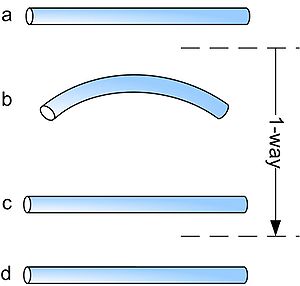
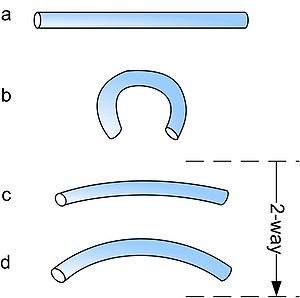
    One-way vs. two-way shape memory

    Shape memory alloys have different shape memory effects. Two common effects are one-way and two-way shape memory
    References:

    http://www.ehow.com/list_6708135_different-types-alloys-use.html

    Educational Electronics USA: Metals and Non-Metals — Part XVI

    Pricescope Diamond Journal: An Overview Of Common Alloys Used In Jewelry
    http://en.wikipedia.org/wiki/Shape_memory_alloy

  • The Nike Mercurial Superfly II Elite (in depth analysis)

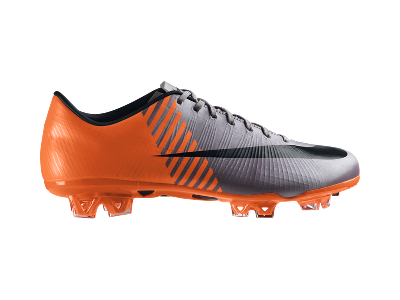
    The Nike Mercurial Vapor Superfly II Elite

    Original Color for Superfly II Elite

    Personal Point of View on the Shoes

    Theses shoes over the past few weeks have left somewhat of a great impression on me. I’ve looked at them, held them and been given a quick trial with these shoes. I have a love hate relationship with these boots from personal experience alone, but completely understand why these are the top and newest shoes on the market right now. I wouldn’t call them the perfect shoe for me, I’ve tried somewhere over 20 football shoes in the past 5 years and I’ve come to learn that all shoes have advantages and disadvantages and depending on the person, the shoe could suit different people in different ways. These shoes from my own knowledge are by far the lightest I’ve ever tried. The lightness of these shoes contributes to why they are so popular, it made me run faster and accelerate quicker, and in a sport which is played so quickly, speed is of a high priority. I personally think that these shoes have been well designed in the aspect of visual attractiveness, because when I walked into the shop they were the first shoes that came into my view. Certainly they are attention grabbers, and being in the middle of the field it’s quite important that my teammates know where I am.

    Nike’s Stated Benefits of the Shoes

    • Flywire for ultra light-weight and support

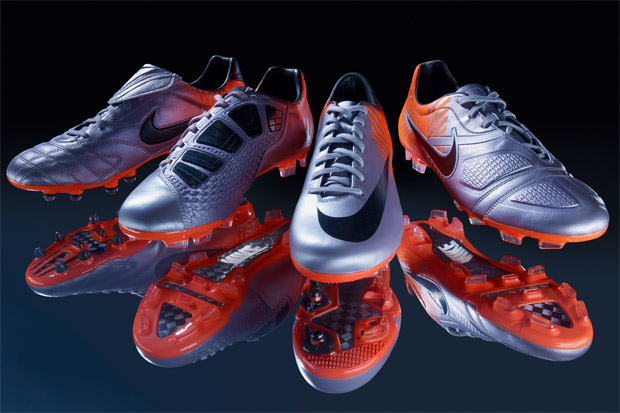
      All four shoes of the Nike Elite series introduced for the Fifa World Cup 2010
    • Revolutionary traction for extra grip
    • Traction pattern for cutting and instant acceleration
    • Includes exclusive shoe bag and box
    • Firm-ground (FG) Bladed and conical cleats for use on short grass fields.

    Nike’s revolutionary traction in Nike’s opinion is the top reason for the shoe’s popularity. The traction in this shoe is

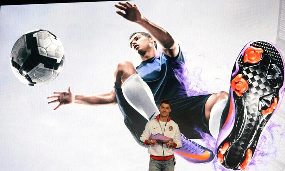
    Cristiano Ronaldo endorsing the new football shoes

    what is called ‘adaptive traction’ that activates a cleat in the forefoot that extends when enough pressure is exerted, it extends when needed for the “relentless grip and acceleration the game demands.” Along with the injected stud, the traction in the vapor allow for effortless acceleration. The shoe also includes toe off traction for instantaneous bursts of speed.

    All fields of the aesthetics and materials were carefully chosen and for specific reasons. The Vapor Superfly II Elite features innovative Flywire. Flywire is made of nylon fibers, these fibers are sturdier than older materials and help hold the foot in position. Another advantage to Flywire is that the mass of the material is a lot lighter than older materials. The Flywire also provides better control of the ball and adjust to the foot a lot better. The most minimizing factor of weight in the unparalleled lightness of these shoes is the carbon-fiber chassis, which makes the shoe lighter but also at the same time maximizes strength. The final major contribution to making these shoes such a success was the perforated sockliner which presents low profile cushioning and support whilst also lessens the cleat stress. The total weight of this pair of shoes is an amazing and currently unmatched 370g (13 oz). This boot is favored by wingers or strikers who feel that speed is the most important asset in their game. As a publicity stunt, Nike got Olympic Gold Medalist sprinter, Asamfa Powell, to run 100 meters in these football shoes and on the first attempt he covered the entire distance of the football field in less than 10 seconds, four tenths of a second slower than the track world record.

    Part of Nike Elite Series

    After spending nearly 2 hours in the store I came to the conclusion they weren’t the shoes for me. Instead I chose the T90 Laser III, also from the same elite series. The new revolutionizing elite series consists of 4 shoes. The first, as I have discussed previously in depth because they have been the biggest success and most sophisticated technology, was the Superfly II. Secondly was the shoes I purchased, based upon personal preference, the T90 Laser III. Thirdly, the Tiempo III, these boots are more intertwined with the classical designs of the previous years, but still incorporates much of the revolutionary technology. The final pair is the CTR360, which is the sturdiest of all the shoes, and as the name of the shoe states it optimizes control of the ball. As I have said before the choice goes down to preference but all these shoes have their given benefits and a choice of any of these would be a choice of a football shoe that has left its mark in revolutionizing the football industry.

    Sources and Further Readings:

    http://store.nike.com/us/en_us/?l=shop,pdp,ctr-inline/cid-1/pid-337913/pgid-301857

    http://www.studs-up.com/2010/08/nike-mercurial-vapor-superfly-2-elite-review/

    http://www.designboom.com/weblog/cat/8/view/9325/nike-mercurial-vapor-superfly-ii.html

    http://www.prodirectsoccer.com/prodinfo.asp?PID=PDS-002-009-C17&DEPT=2&BRAND=9&SS=1&PROFILE=Speed

    By Laurance Townsend

    Class: Design Technology SL I

    Teacher: Mr Mark Trumpold

  • Treehugger

    In Treehugger’s own words …  “TreeHugger is the leading media outlet dedicated to driving sustainability mainstream. Partial to a modern aesthetic, we strive to be a one-stop shop for green news, solutions, and product information. We publish an up to the minute blog, weekly and daily newsletters, weekly radio interviews, and regularly updated Twitter and Facebook pages.”

    Treehugger is divided into three areas of  ‘getting informed’, ‘interact’ and ‘take action’ which include extensive sub – categories.

    http://www.treehugger.com/best-of-green/