The Design Technology Blog

Author: fred

  • The 3Doodler

    The 3Doodler (http://www.youtube.com/watch?feature=player_embedded&v=DQWyhezIze4

    The 3Doodler is the first 3D pen that was created, and up to now, still the only one in the world. It is the invention of Peter Dilworth and Max Bogue. It uses thermoplastic that is heated and cooled as it passes through the body of the pen. As one of the creator states: “We wanted to design a 3D printing device that could be used within minutes, without needing any technical knowledge, software or computers. We also wanted it to be affordable as well as fun, so that anyone could 3Doodle!” –  Peter Dilworth, Co-Founder. The creation of the 3Doodler is beneficial for designers and also younger people that would like to have easy access to a 3D printing tool. As the 3Doodler uses electricity to heat up the plastic, it is possible to use it everywhere in the house, without the installation of any software or program in order to make it work, like normal 3D printers require. There are not any problems with the production and use of this invention. However, if we consider the fact that the 3Doodler uses plastic, which is produced from oil, this can lead to consider the relative environmental impact that the pen has. Moreover, as it uses also electricity to produce the 3D sketches, it could lead to an increase in consumption of electricity which will therefore raise the cost of the Bill of the household and also impact the environment as well. Conclusively, as the environmental and social issues that are implied with the use of this new invention are limited, the 3Doodler is the next big step towards using 3D printing and sketching in our everyday life and everyday designs.


    Bibliography:

    The 3Doodler, Peter Dilworth and Max Bogue, 2011. www.the3Doodler.com


    Use of the 3Doodler
  • NIR Smart Materials

    Gn NIR Smart Material

    Info, reference and Images: http://portal.acs.org/portal/acs/corg/content?_nfpb=true&_pageLabel=PP_ARTICLEMAIN&node_id=223&content_id=CNBP_028638&use_sec=true&sec_url_var=region1&__uuid=b76e7b48-770f-46e3-9b87-e0977b03d403

    Near-Infrared light, enters  the skin and has great potential in curing diseases. This is because certain types of smart-materials, when hit by NRI light, break up into the cells of our body.  The problem with this is that materials that respond effectively to NIR need high levels of it, causing problems with toxics that are emitted by them. Scientists are trying to find a way out of this critical health problem. Adah Almutairi and his colleagues have researched different smart materials and have discovered that, hit with low power NRI, these materials break up and seem to be non-toxic for the cells of the human body. For example “hydrogel”, which is a flexible material that contains water and has the characteristic explained previously. Hopefully these will lead to further research and thus, more cures for different diseases.       

  • The Electric Car

    The Electric Car

    Federico Maroli

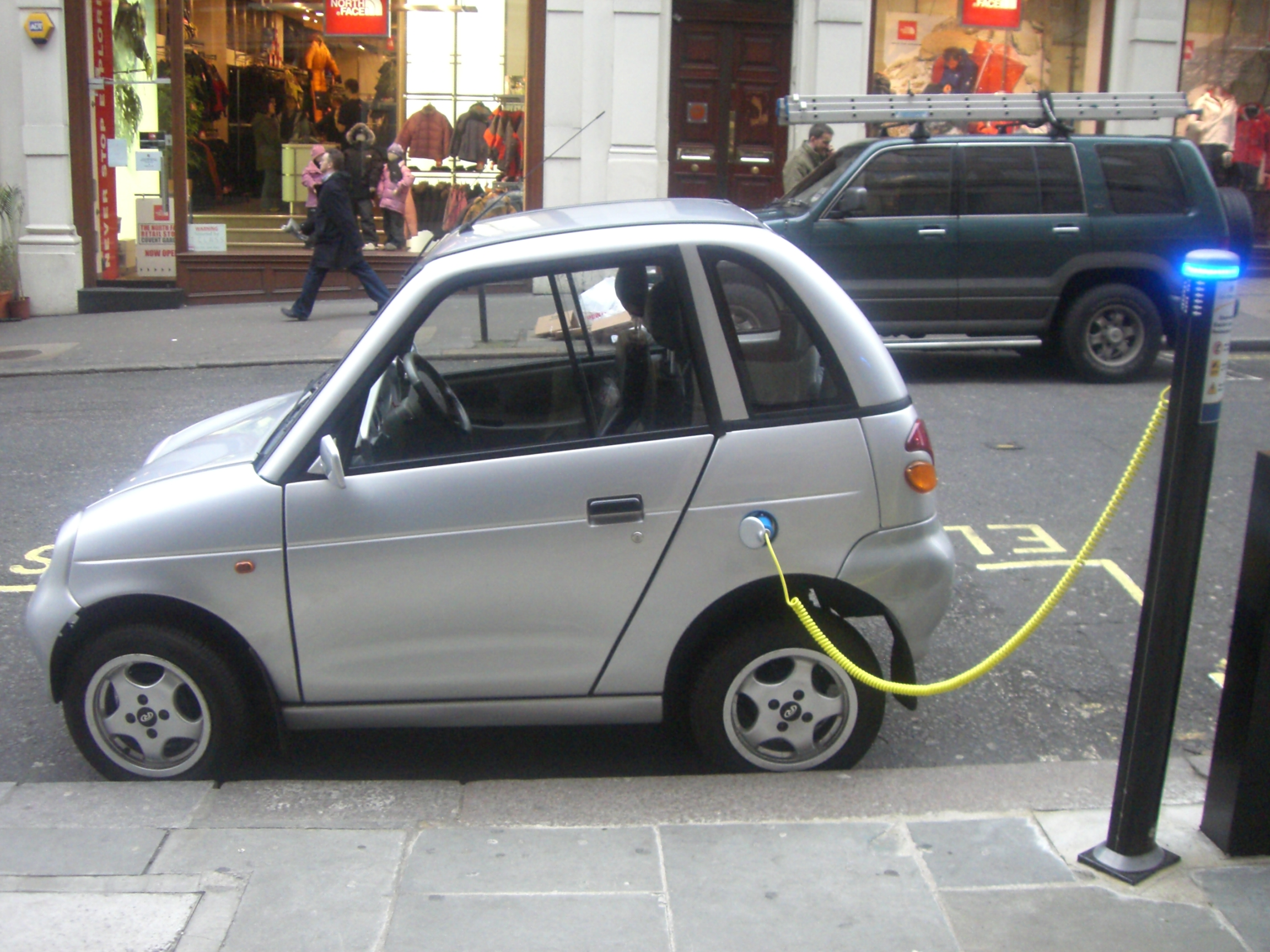
    An electric car is an automobile that is propelled by one electric motor or more, using electrical energy stored in batteries or another energy storage device. Electric Motors give electric cars instant torque, creating strong and smooth acceleration. Some cars have an electric motor that works when the driver is pushing “hard” on the throttle and a benzene motor that works when the driver is exceeding a certain speed. This allows the car to pollute less while driving around the city and driving at normal speeds on highways. Also Electric Cars are considered to be more expensive due to the fact that they are equipped with ultra-modern systems in their motors, however Hybrid Cars, since they are an innovation and an improvement of the “old” cars, they are accessible to “low income people”. One common positive effect these cars have is the decrease of air pollution and also noise pollution, which some people find incredibly annoying. Also, it will allow future generations to have a supply of fossil fuels of their own, in order to use them for public and private transport when they will need it.


    References:

    http://en.wikipedia.org/wiki/Electric_car

    -http://upload.wikimedia.org/wikipedia/commons/c/cc/Reva_charging.jpg

    Reva car charging in London