Glass belongs in the ceramics category of materials. It contains primarily silicon dioxide and sodium dioxide, along with calcium oxide and other chemicals in small quantities.
Production
It is produced from sand, limestone and sodium carbonate with the use of large amounts of heat. The glass furnaces reach up to 1675°C for all the above mentioned ingredients to melt together. Usually recycled glass is added to the mixture to reduce the temperature necessary to melt all the materials together. The glass is then set in to shape with the use of molders or blowers.
Physical Characteristics

Glass has various different characteristics. It is very hard, since it is a ceramic, yet it is very brittle. It is transparent, which is a very rare characteristic in materials and it allows it to absorb and reflect light. It does not conduct electricity, and can be easily colored.
Main types of glass
There are two main types of glass other then the one mentioned above; toughened glass, and laminated glass. Toughened glass can withstand more tensile load and compressive stress on the surface. It also shatters in to little pieces after it is broken, it’s in use in places such as windscreens of cars. Laminated glass contains layers of glass around a plastic transparent sheet (which can be recolored). The plastic prevents cracks from appearing on the glass. They can be seen in use in windscreens or bank teller windows (as they’ve been made bulletproof).
Uses of Glass
Glass is used in all kinds of different areas, such as construction, furniture and of course, glassware. It is used a lot in construction due to it thermal conductivity, which reduces the resources necessary to heat the house/room. It is very resistance to tensile and compressive forces, making a good material to place weight upon. Furthermore it is transparent which allows natural light to enter the house/room, again further decreasing the amount of energy required to light the house.
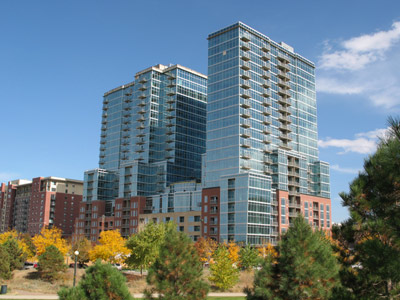
It’s transparency allows for interesting interior designs, which can’t be achieved with non transparent materials. Glass is also used in furniture such as tables, this goes along with the transparency adding to a unique design. Another major use of glass is in glassware, which includes everything from glasses, to plates, to figures, and more.