The Design Technology Blog

Month: March 2013

  • Sports wear!

    Smart materials have many different uses and are developed to meet needs that are starting to emerge in our modern society. Smart materials can sense and react to environmental conditions and are produced to perform a particular function. Some of them:

    • alter according to external stimulus (change when something happens to them or around them)
    • change when the tempreture changes, either hotter or colder – Thermochromatic
    • are activated by internal or external power sources.


    Some fabrics and textiles incorporate smart materials. For instance there are sanitized fabrics for sportswear that contain anti bacterial properties to combat smell and sweat as well as synthetic fabrics with moisture management properties that can regulate and absorb sweat.

    Nike has a “Dri-fit” line that includes smart materials that absorb sweat.
     

  • Bare conductive ink

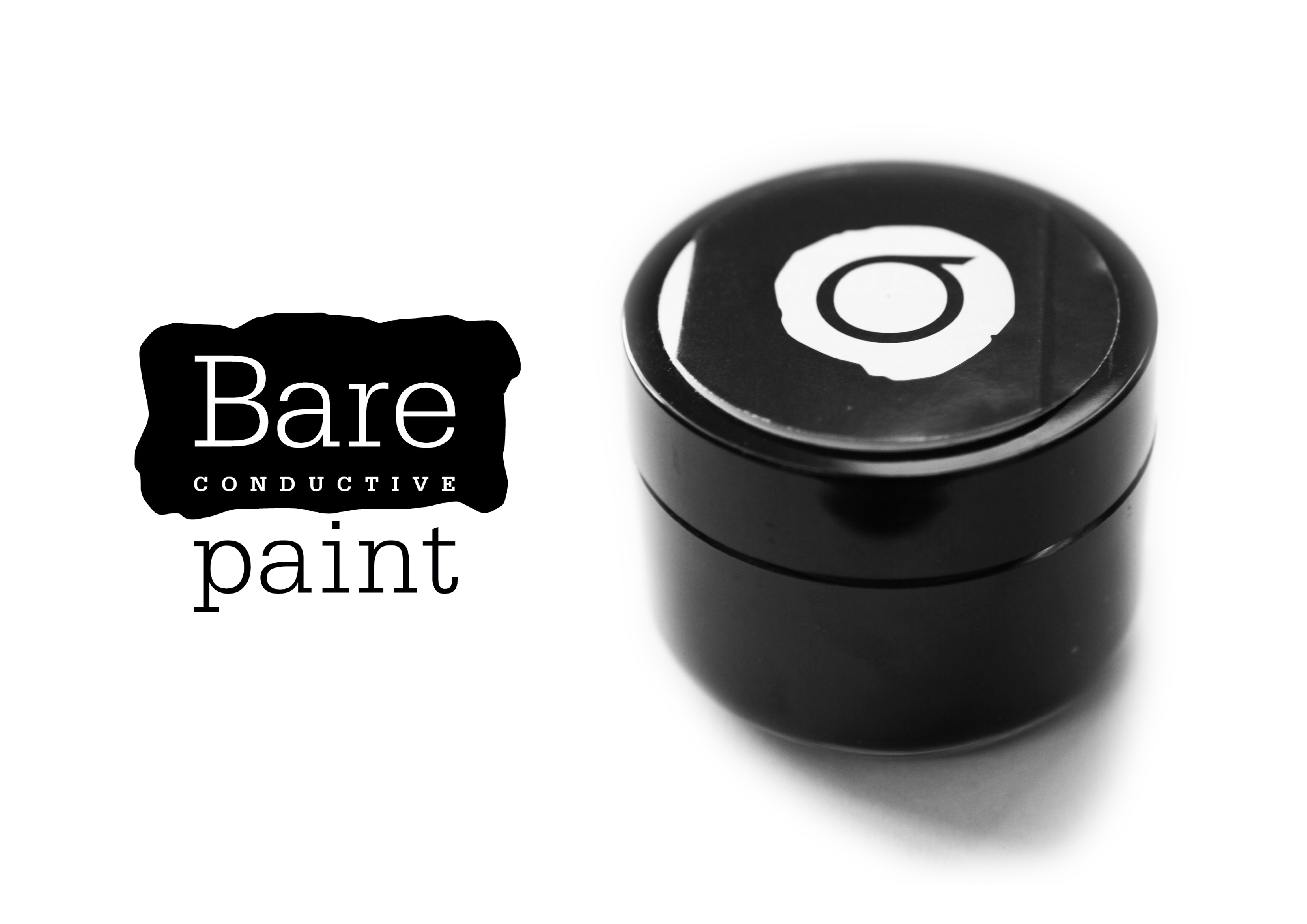
    This material is a type of ink that conducts an electrical current. Developed by art students in university, this material literally lets you draw the current onto something. Of it’s many magnificent abilities, it can also sense when somebody is touching it. When touched, the electrical current is triggered, which makes it function as an on/off switch. The ink only acts as a conductor once it is dry, which means that one can alter the current as long is it is still wet. It comes in a form of a pen, or in a small bucket filled with ink, and it is currently only available in black. The ink has the ability to power lamps, LED lights, and many other devices. This amazing breakthrough has the potential to completely eliminate the use of wires in households, instead, they can be painted onto the surface. Of course, it comes with multiple disadvantages. The ink only has the potential conductivity to power lamps, or a few light bulbs, but it doesn’t have enough electricity to power a computer for example. Also, once drawn, it is difficult to alter the current; one would have to remove the existing lines, and draw new lines instead, whereas a wire can simply be moved to the consumer’s preferences. Though of course, this totally eco-friendly material is the only one of it’s kind in the market today, and with development, it has the potential to eliminate the use of wires in different devices.


    Bare ink video:


  • Reactor light lenses

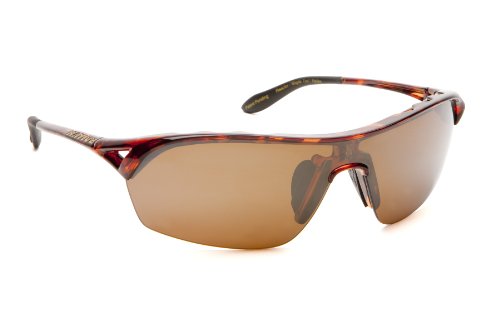
    An Example of a smart material application is with reactor light lenses, also known as photochromic lenses, used in glasses. There are two types of lenses that are used, the glass version and the plastic. The glass version of these lenses uses microcrystalline silver halides, for example silver chloride in the glass. The plastic version of these lenses use organic photochromic molecules, for example oxazines and naphthopyrans. The reason both of these lenses only darken when they are used outside is because they need UV exposure from the sun. When indoors, they are like normal glasses, but when outside, they turn into sunglasses and protect your eyes by sensing the UV rays.